Category: News
-
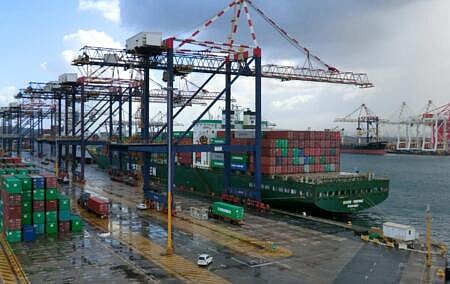
South Africa’s ports are getting better. They’re still a disaster.
The 2025 Container Port Performance Index (CPPI) finds that Durban recorded the largest single-year efficiency gain of any port in the world between 2024 and 2025. Coega (Ngqura) was also among the top five most improved globally. Port Elizabeth leads all ports in long-run improvement since 2020. Despite the impressive improvements, South Africa’s main ports…
-
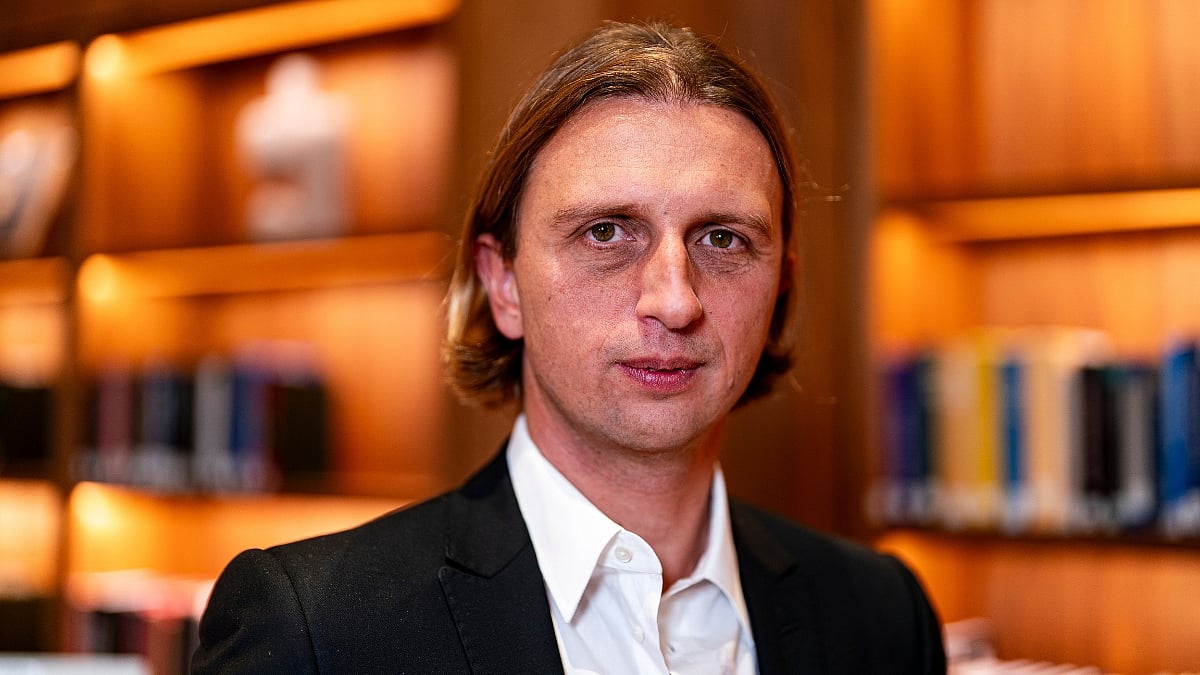
Revolut proves the doubters wrong — $115 billion and grateful for the rules
Revolut’s meteoric rise has become one of fintech’s most remarkable success stories, but its journey hasn’t been without friction. As the company races toward a staggering $115 billion valuation, questions linger over the role regulation has played in shaping its success. Has strict oversight slowed innovation, or has it quietly protected customers, investors and the…
-

Todd Buchholz on BizNews: Why Joe Sixpack is still paying for the Fed’s mistakes
SAN DIEGO—While pilots learn to trust instruments, smart ones know to peek out the window now and then. For too long, the US Federal Reserve Board has behaved like a pilot who stares at his gauges and cites the altitude to the nearest foot but doesn’t see the mountain in the windshield. Kevin Warsh, the…
-
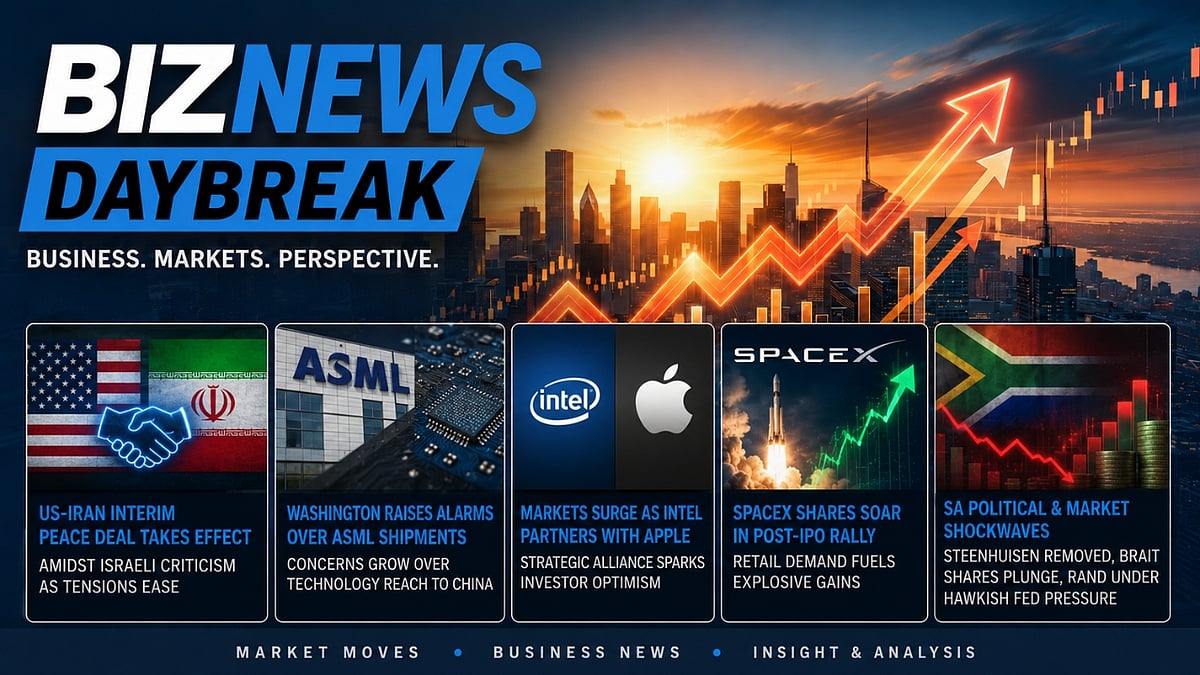
BN Daybreak – Fri 19 June 2026: US warnings to ASML; Heystek and Ginsberg on SpaceX; Hawkish Fed rate decisions
Listen here In today’s BizNews Daybreak, the US-Iran interim peace deal takes effect amidst Israeli criticism, while Washington raises alarms over ASML technology shipments to China. Meanwhile, markets surge as Intel partners with Apple, and retail demand drives SpaceX’s explosive post-IPO rally. Domestically, political shockwaves hit as John Steenhuisen is removed in a DA reshuffle,…
-
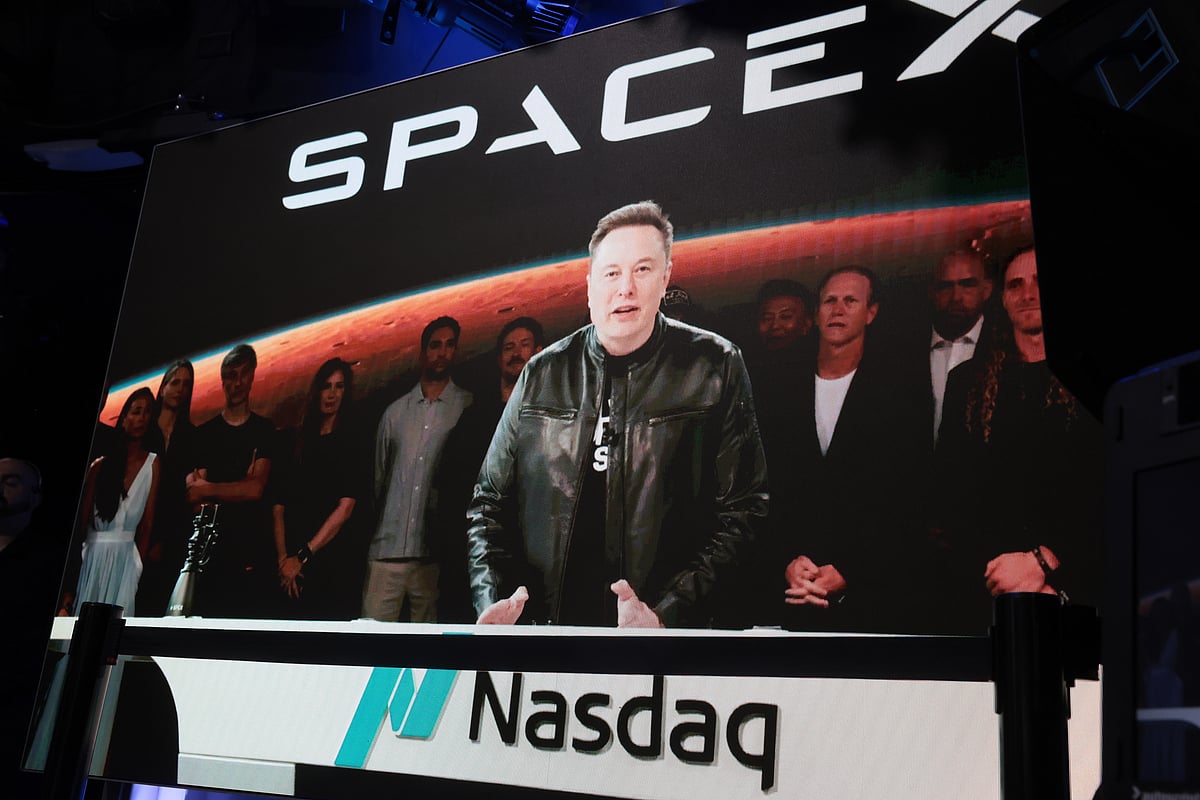
Why SpaceX’s $2.6 trillion market cap makes a Tesla takeover almost inevitable
SpaceX’s barnstorming Nasdaq debut — priced at $135, now up nearly 50% in three sessions, market cap at $2.64 trillion — has done more than make Elon Musk the world’s first trillionaire. It has set the table for what Bloomberg Opinion’s Liam Denning argues is the logical next move: an all-stock absorption of Tesla. The…
-
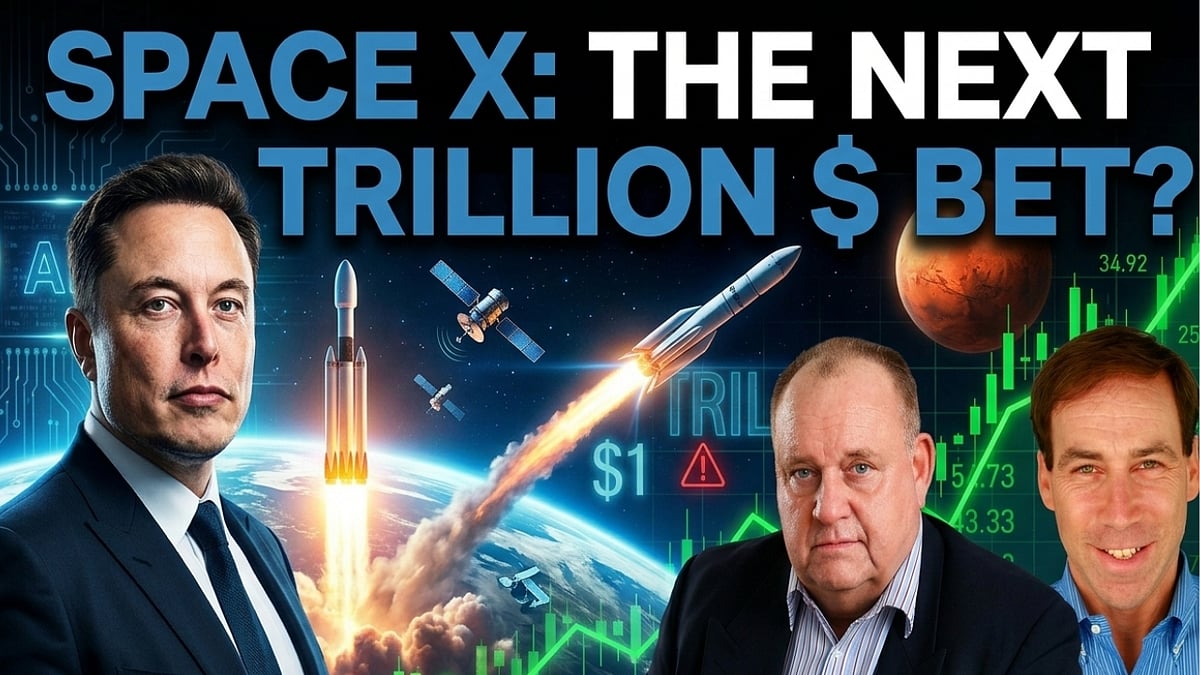
SpaceX, Anthropic or OpenAI? Anthony Ginsberg and Magnus Heystek reveal their biggest AI bets
SpaceX’s blockbuster debut has reignited debate over whether Elon Musk is building the world’s most valuable company – or the next great market bubble. In this wide-ranging discussion, Magnus Heystek and Anthony Ginsberg unpack the investment case behind SpaceX, Starlink, Anthropic and OpenAI, weighing extraordinary growth potential against eye-watering valuations. From AI breakthroughs and satellite…
-
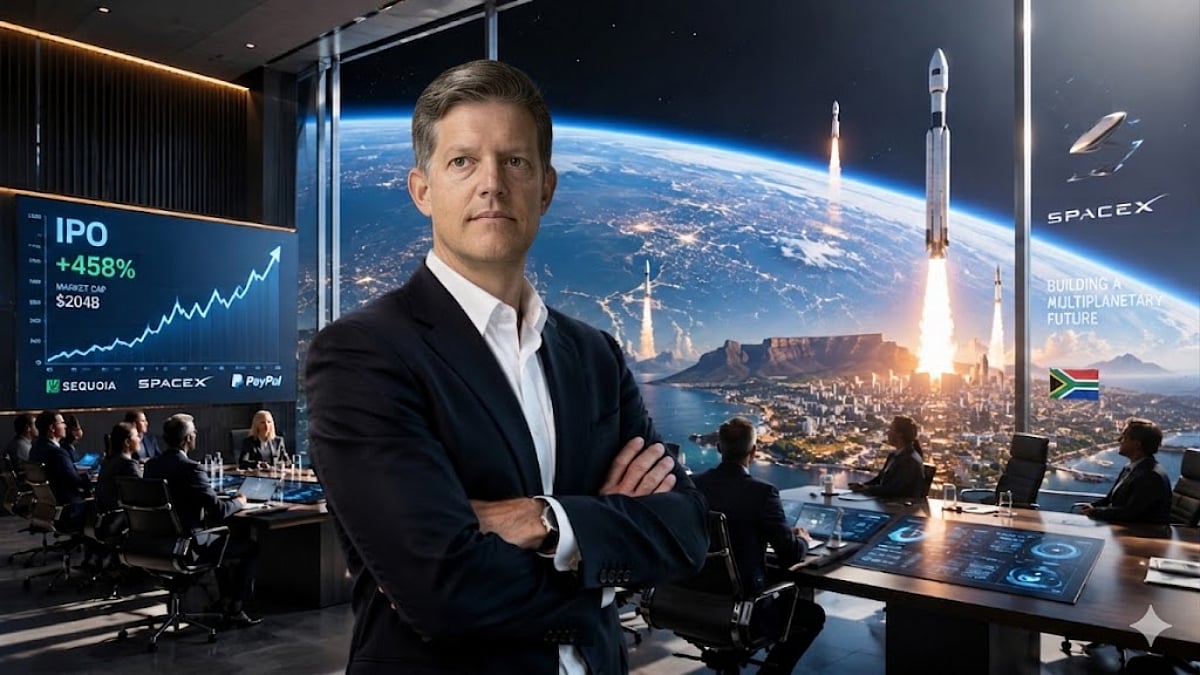
From Hout Bay to Houston: Roelof Botha joins SpaceX board
Roelof Botha — grandson of Pik Botha, raised in Hout Bay, UCT actuary and Stanford MBA who topped his class — has just been appointed to the SpaceX board, days after its record $75 billion IPO. The appointment is no accident: Botha was CFO at PayPal when Musk ran it, and his firm Sequoia has…
-

Jeffery to the GNU: Stop tinkering with PIE and fix the real problem before investment dries up completely
South Africa’s Prevention of Illegal Eviction Act was conceived as a post-apartheid safeguard for the poor. IRR head of policy research Anthea Jeffery argues it has become an economic wrecking ball — deterring fixed investment at a time when South Africa’s rate, at 13.7% of GDP, is roughly half the global average and well below…
-
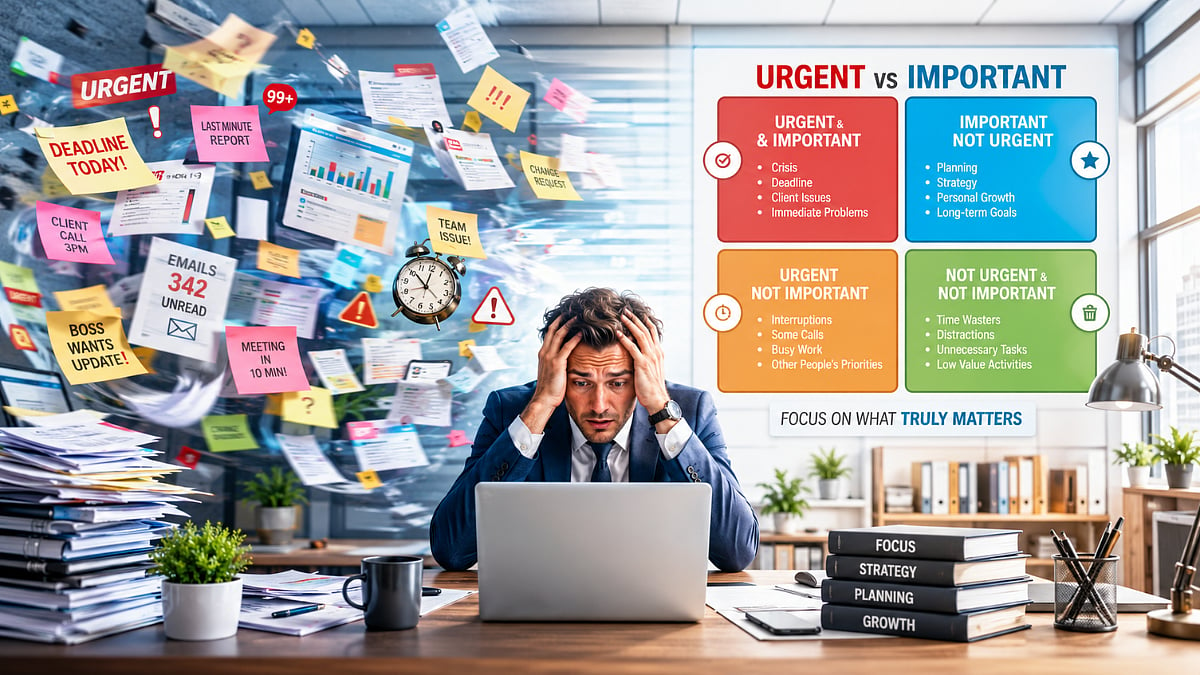
Choose, communicate, stop: The three-word formula most managers still can’t master
Prioritisation sounds elementary. In practice, research suggests most people — and most organisations — are remarkably poor at it. Individuals chase achievable goals over important ones, pay off small debts before high-interest ones, and become the 400th person to review a document just to feel productive. Companies spread attention so thinly across competing initiatives that…
-

The Daily Edge: Fed’s higher-for-longer warning hits SA Inc — Brait dilutes, BHP absorbs, Treasury sidesteps
Listen here Today’s BizNews Daily Edge unpacks how the US Federal Reserve’s hawkish hold is rippling through South African markets, where expensive money is forcing companies and government alike to show the strength of their balance sheets. Irakli looks at Brait’s deeply discounted R2.5bn rights offer to cut debt and support Virgin Active, BHP’s market…
-
Standard Bank eyes R250bn prize as African trade boom reshapes SME banking
Standard Bank Group Ltd. is stepping up its quest for more business clients in Africa. A surge in intra-continental trade and growth of mid-sized companies has created a 250 billion-rand ($15.4 billion) revenue pool for the region’s biggest lender to tap. By Adelaide Changole Its business and commercial banking unit aims to be the main financier…
-

Trump’s Anthropic bombshell forces a reckoning — Europe is algorithmic roadkill in a two-horse race
The Trump administration’s decision to block foreign access to Anthropic’s most powerful AI models — including Mythos — has landed like a thunderclap at the G7 summit, exposing the uncomfortable reality that Europe and allied middle powers have no say over technologies their economies increasingly depend on. Bloomberg Opinion’s Lionel Laurent argues this isn’t just…
-
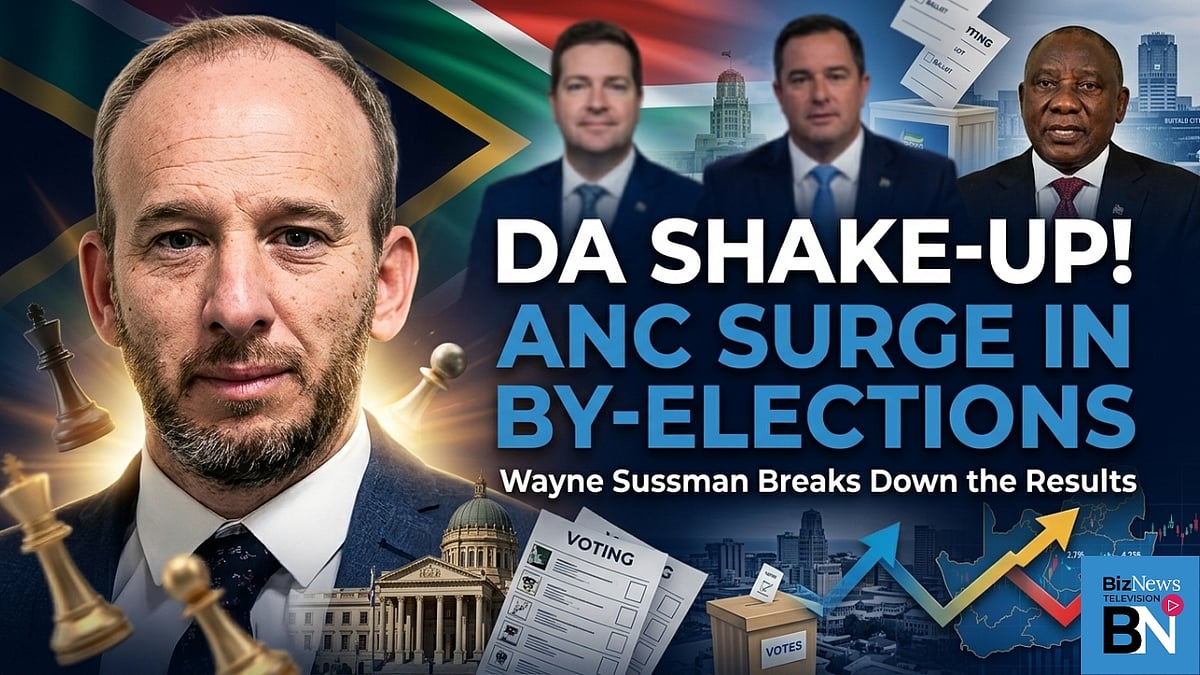
DA Cabinet shake-up, ANC infighting and EFF collapse… | The Electoral Roadshow with Wayne Sussman
In the latest Electoral Road Show with Chris Steyn and analyst Supremo Wayne Sussman, he dissects the Democratic Alliance’s big Cabinet reshuffle, particularly the ministerial demotion of former party leader by the new leader Geordin Hill-Lewis, as well as the posts now allotted to the Willie Aucamp, David Maynier, Yusuf Cassim and Gauteng veteran Jack…
-

BN Daybreak – Thu 18 June 2026: Fed holds rates; SA Cabinet shifts; SpaceX valuation; Gold potential
Listen here Today’s Daybreak covers the landmark US-Iran peace deal and the Federal Reserve’s unanimous decision to hold interest rates steady. Alec Hogg analyses DA leader Geordin Hill-Lewis’s strategic cabinet demotion of Agriculture Minister John Steenhuisen. We also unpack SpaceX’s massive $2.52 trillion IPO valuation, the Western Cape’s expanding provincial policing powers, and South Africa’s…
-
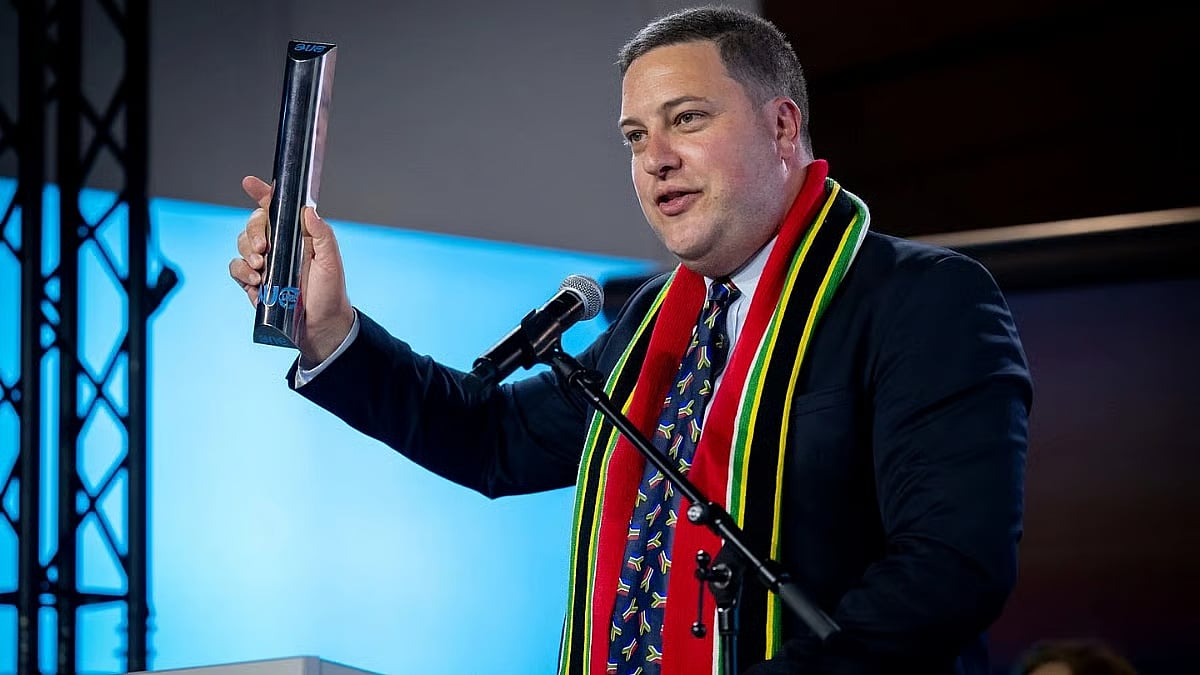
John Matisonn: Hill-Lewis’ first big test – he hasn’t passed it yet
Newly-minted DA leader Geordin Hill-Lewis’ painful decision to fire – well, demote – his close friend and immediate predecessor, John Steenhuisen, puts him at the centre of his first real political crisis as leader. By John Matisonn To say there is a lot at stake is an understatement. The country is looking for a new…
-
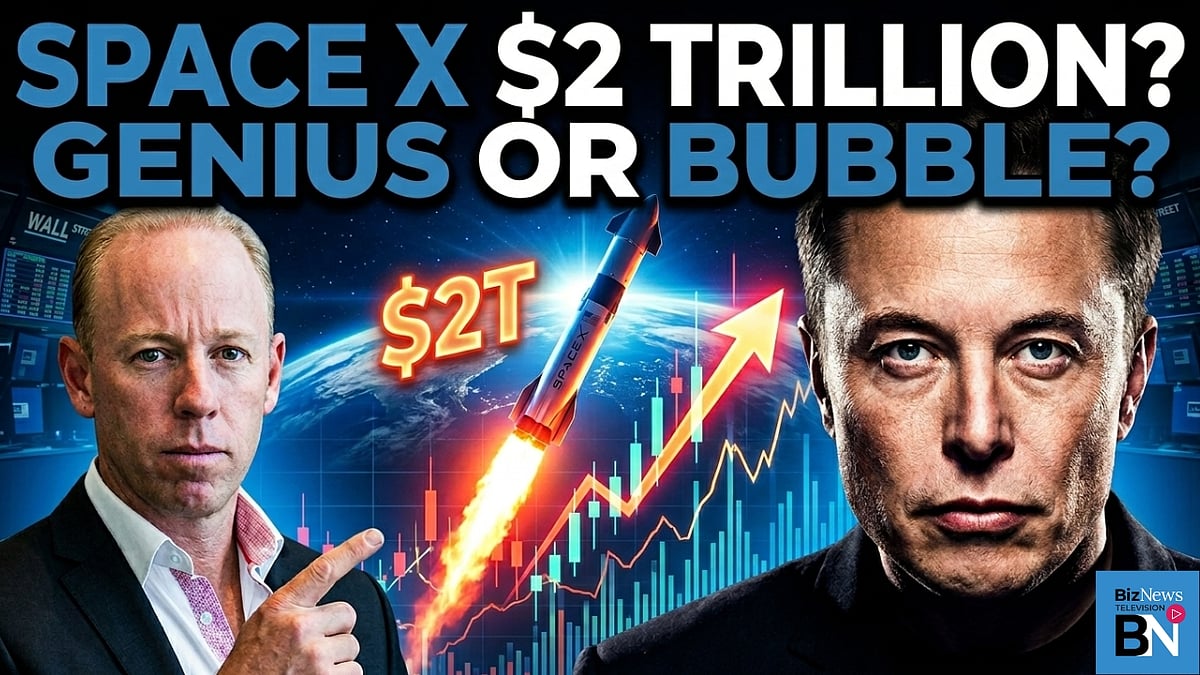
Cy Jacobs: SpaceX at $2 trillion — The biggest market trick ever or Elon Musk’s masterstroke?
SpaceX has become the hottest story in global investing, soaring to a valuation above $2 trillion and captivating markets worldwide. But is it a revolutionary business success or a masterclass in financial engineering? In this candid interview, Cy Jacobs argues that Elon Musk has cracked the code of modern market structure, using limited share supply,…
-

The Daily Edge: Steenhuisen out, SA squanders its gold opportunity, Premier Group’s 30% profit surge
Listen here BizNews editor Alec Hogg leads with a political signal investors shouldn’t miss: the DA is moving to replace John Steenhuisen as Agriculture Minister after three High Court cost orders — and his proposed successor is an actual farmer. Then Dr. Duarte da Silva’s third paper on South Africa’s gold lands with force: the…
-
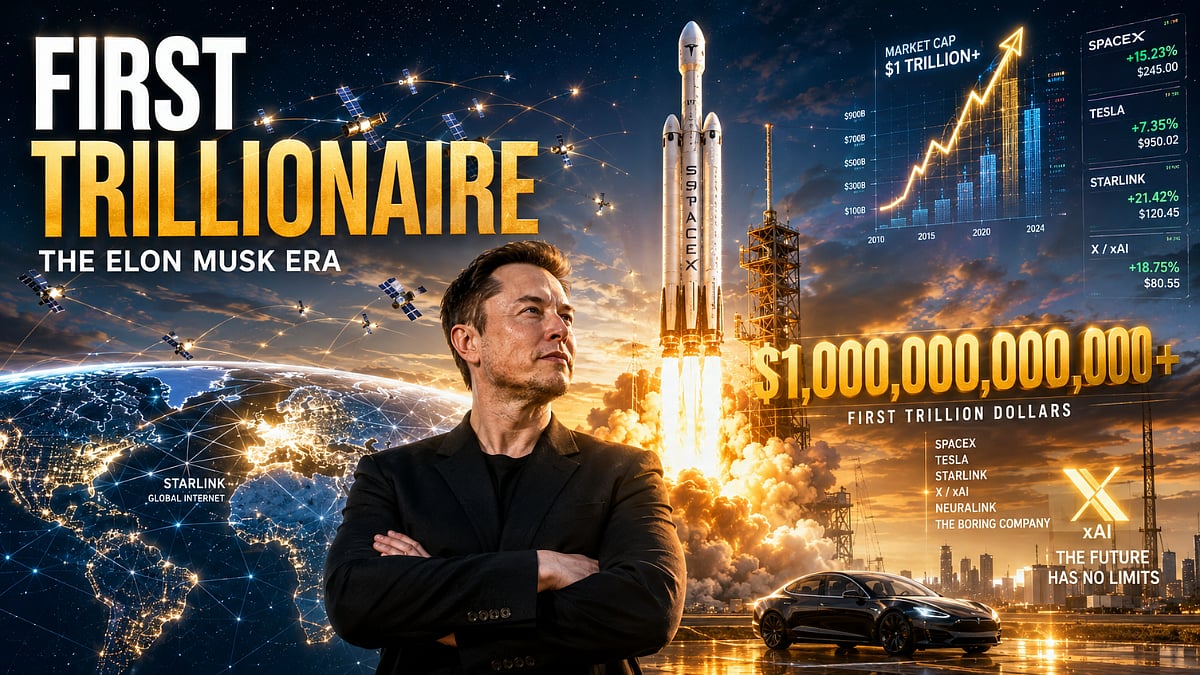
Pretoria’s trillion-dollar son: Why South Africa can’t bring itself to celebrate Elon Musk
This article was first published by The Common Sense SpaceX’s $75 billion Nasdaq listing this week shattered every IPO record in history and made Elon Musk — born in Pretoria — the world’s first trillionaire. The company’s $2.1 trillion valuation dwarfs Saudi Aramco’s previous record. Investors aren’t buying a rocket company; they’re buying into satellites, AI,…
-
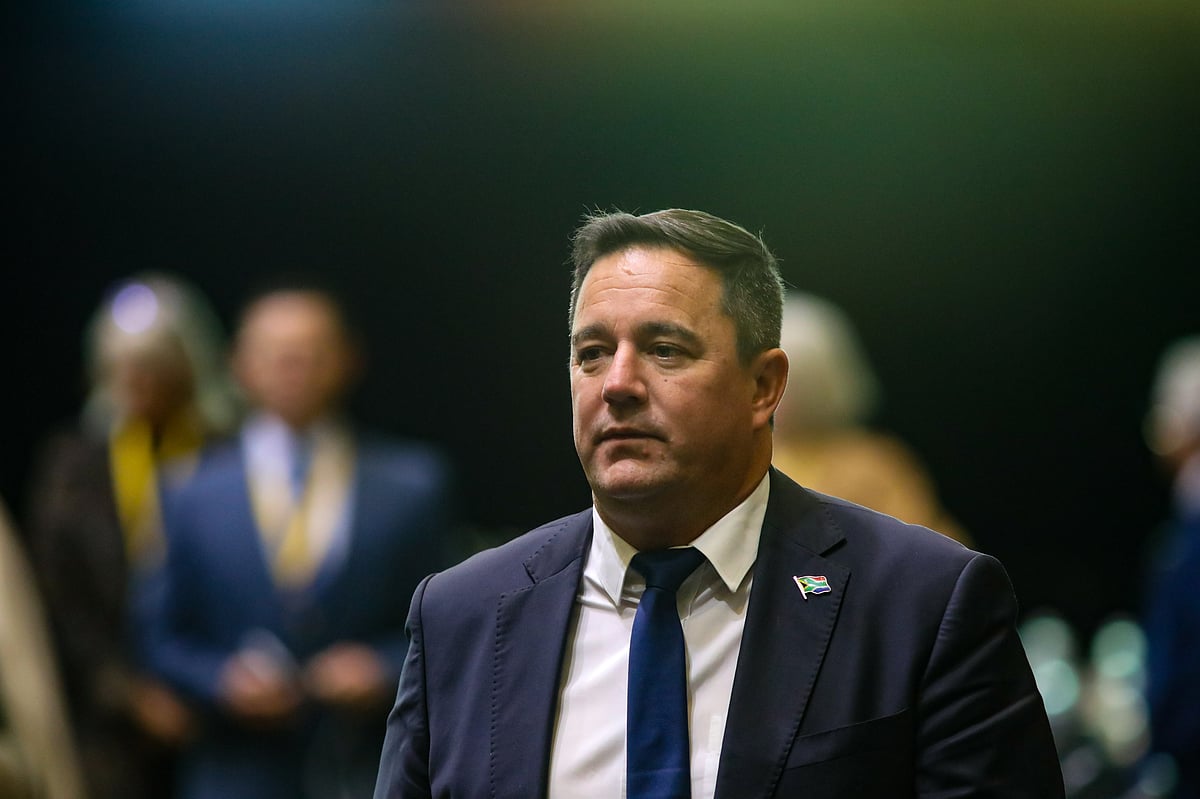
Boardroom Talk: Steenhuisen’s fall and what it tells us about Geordin Hill-Lewis
In this Boardroom Talk, BizNews editor Alec Hogg unpacks the political and practical unravelling of John Steenhuisen’s tenure as South Africa’s Minister of Agriculture. From the foot-and-mouth disease crisis that exposed a fatal mismatch between parliamentary skill and executive capability, to three damning High Court cost orders, Hogg traces how one of the DA’s most…
-

Worst El Niño ever recorded may be coming — and Southern Africa in the crosshairs
Hundreds of years ago Peruvian fishermen noticed that, every few years, the anchovies in the equatorial Pacific ocean would vanish. Since the disappearances happened around Christmastime, they named the event after el niño Jesus—“the Christ child”. The Economist From The Economist, published under licence. The original article can be found on www.economist.com © 2025 The Economist Newspaper Limited. All…