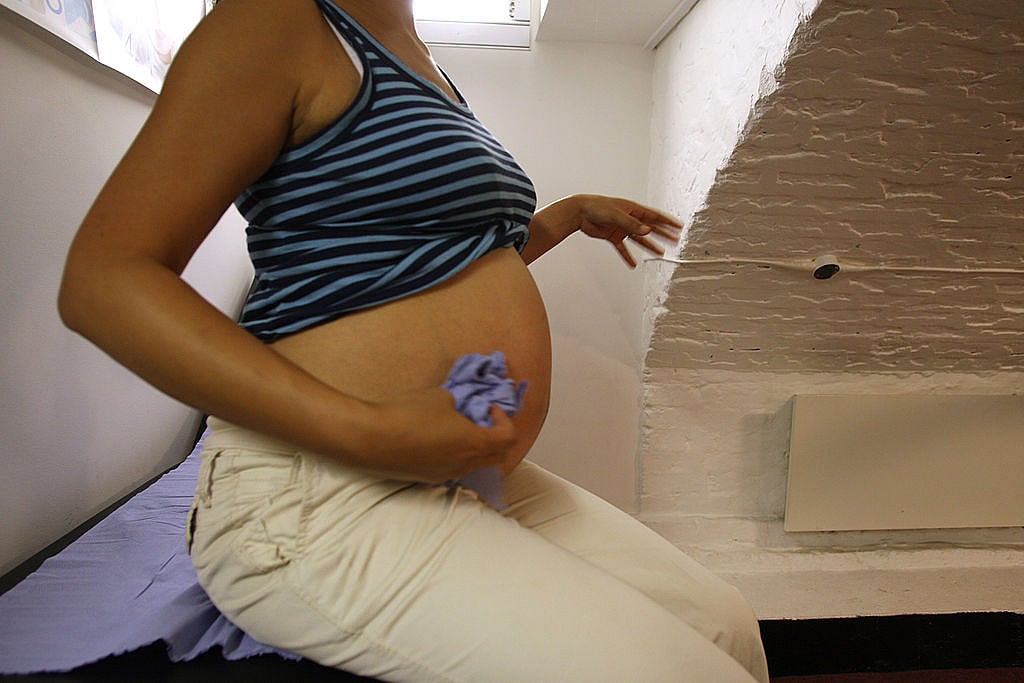
Britain’s NHS is grappling with rising maternal mortality, missed 2025 safety targets and stark racial disparities in birth outcomes, despite far higher healthcare spending than South Africa. A damning review led by Valerie Amos found staff shortages, toxic hospital cultures and cover-ups after harm, while critics say it dodged tougher scrutiny of regulators. For South Africans weighing up emigration, or watching government push ahead with National Health Insurance on the promise of a UK-style system, the findings are a caution: a fully nationalised, free-at-the-point-of-care model hasn’t guaranteed safe childbirth in Britain, and in some cases, has left mothers worse off than comparable wealthy nations.
By Lara Williams
With all the advances in medical science and research, you might think that bringing new life into the world would be safer than ever. The UK, however, appears to be moving in the opposite direction.
In 2015, the government set targets to halve maternal, stillborn and neonatal death rates by 2025. The effort has been a spectacular failure: Maternal mortality rates are now 20% higher than in 2010. Though there have been improvements in some outcomes for babies, those targets were also missed.

These figures ought to be considered alongside the broader context: Women giving birth are trending older, and are increasingly likely to be obese or have other pre-existing conditions. These factors all raise the risk of complications during labor.
Yet that’s also true in other wealthy nations, none of which have seen a corresponding increase in mortality. That leaves little doubt that the standard of care in the UK is a key part of the problem.

It should also be noted that there are stark inequalities in outcomes: In 2022-2024, Black women had a risk of maternal death nearly three times higher than that of White women. Women from minority backgrounds are also less likely to receive an epidural while having a vaginal birth, and their babies are more likely to die. The same goes for women in deprived areas.
At the end of June, the UK got the latest in a long line of reviews into maternity failings within its National Health Service (NHS). The investigation, led by Labour peer Valerie Amos, was meant to be the definitive word on the subject and provide a clear list of next steps. Instead, it has been greeted by calls for a statutory public inquiry, which comes with extra legal powers. Critics say the report is a “missed opportunity,” leaving key issues unexplored and failing to scrutinize regulatory bodies such as the Care Quality Commission and General Medical Council.
What the Amos report did do is confirm what NHS critics already knew: that women and families have been dismissed when raising concerns, experienced discrimination and, when things went wrong, struggled to get answers and accountability from doctors. It also found persistent staff shortages, toxic cultures and crumbling hospital infrastructure.
The findings themselves have been somewhat overshadowed by drama surrounding the abrupt resignation of one of the inquiry’s clinical advisers. Bill Kirkup, an expert in childbirth safety, stepped down after criticism of “normal birth ideology” disappeared from the report at the last minute. He told the BBC: “I don’t think it’s right that we should push this under the covers…This is a patient safety danger and I think it should be called out as such.”
Normal birth ideology refers to a campaign that encourages vaginal birth without any medical intervention. Between 2007 and 2017, the Royal College of Midwives told its members to encourage women to deliver their babies this way, but later stopped after reviews suggested it contributed to avoidable deaths and harm.
The Amos report states that it “did not find that ‘normal birth ideology’ was currently widespread in the maternity services we visited in England.” Some midwives have argued that a nation pushing for natural births would not have intervention and caesarean section rates as high as the UK’s.
But it’s clear that a “normal birth at any cost” policy still exists in some parts of the country. Donna Ockenden, a senior midwife and lead investigator of a separate review of Nottingham’s maternity services published in June, said during a press conference that she found “significant concerns that should have led to intervention, but the quest for normal birth continued. And avoidance of intervention persisted, often with tragic outcomes.”
Read more:
Writing as someone who may, one day, pass through the UK maternity system, this track record is hardly reassuring. The similarities in Ockenden and Amos’ reports make it clear that the standard of care received will be down to the spin of a roulette wheel.
The NHS has already responded to some of the recommendations from both investigations. Martha’s Rule, a patient safety initiative that enables staff, patients and families to request urgent reviews from a different team if they feel the patient is deteriorating and their concerns aren’t being listened to, will be rolled out across all neonatal and maternity services by the end of March 2027. NHS England is making £10.6 million ($14.2 million) available for the recruitment of newly-qualified midwives, while the UK government has announced the creation of a maternity and neonatal commissioner role and an additional £41 million to improve maternity wards.
These are positive steps. But families deserve transformative change. We should learn from other countries performing far better than the UK.
Norway, for example, has one of the lowest maternal mortality rates in the world. One difference between the two medical systems is that midwives in Norway must be a registered, authorized nurse before undertaking midwifery training. In the UK, budding midwives can specialize immediately, which sometimes leaves graduates feeling like they didn’t have the skills to care for the increasingly complex needs of modern mothers-to-be.
Meanwhile, Japan is the best performer globally when it comes to infant mortality. In an article for the Health Service Journal, former UK health secretary Jeremy Hunt writes that more than 1,100 infant deaths could have been prevented if Britain’s medical system were as safe as Japan’s.
Japan has managed to reduce the number of babies born with severe cerebral palsy — a condition often caused by a lack of oxygen, physical trauma, or untreated infections during or shortly after birth — with the help of a no-fault compensation system for birth injuries. The program ensures that, in addition to financial compensation, an investigation is done into each case, enabling parents to get answers, a sincere apology and assurances that issues will be addressed to prevent the same thing happening in the future.
That’s a stark difference from the fights parents have had with the NHS seeking accountability. The Amos report found evidence of “adversarial responses after harm” with hospital staff sometimes hiding or falsifying medical records to cover their tracks.
The Japanese government has also emphasized the importance of postnatal care, recently expanding a program that provides consultations and childcare assistance to mothers and infants less than one year old. Not only does the initiative provide support for new mothers, it also sends a message that maternal and neonatal care is important and worth spending money on. It would be nice to hear that from the UK, too.
© 2026 Bloomberg L.P.
Sign up for your early morning brew of the BizNews Insider to keep you up to speed with the content that matters. The newsletter will land in your inbox every morning on weekdays. Register here.
Support South Africa’s bastion of independent journalism, offering balanced insights on investments, business, and the political economy, by joining BizNews Premium. Register here.
If you prefer WhatsApp for updates, sign up to the BizNews channel here.
Leave a Reply